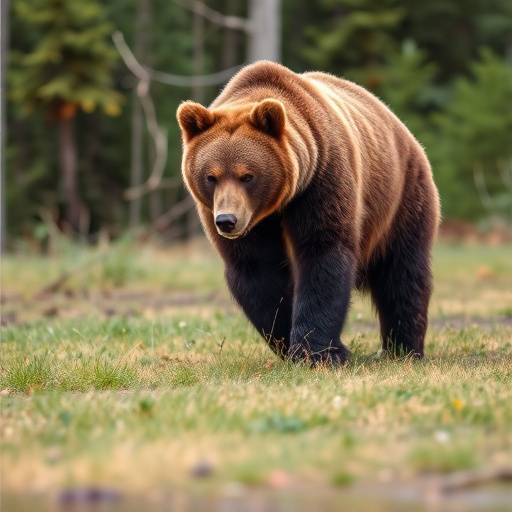
Bear spray is an effective self-defense tool against bears in wild areas, but its use is illegal and dangerous in zones without bear populations, as mandated by local laws. When camping in bear country, understanding storage, expiration dates, and application techniques are crucial for safety. Always check with local authorities or park rangers before bringing bear spray, as it's prohibited in many wilderness regions to protect ecosystems and wildlife. Proper usage involves knowing your spray's range (20-30 feet) and using it as a last resort when a bear exhibits aggression.
“Camping enthusiasts, especially those venturing into remote areas, know that bear encounters can be both thrilling and dangerous. Enter Guard Alaska spray, a game-changer in outdoor safety. This article delves into the world of bear spray, exploring its effectiveness against aggressive bears and how to use it properly. We also navigate legal considerations, as knowing where Bear Spray is prohibited is crucial for responsible camping. By following essential safety tips, you can integrate bear spray into your routine, ensuring a peaceful and secure outdoor experience.”
- Understanding Bear Spray: Its Effectiveness and Usage
- Legal Considerations: Where Is Bear Spray Prohibited?
- Camping Safety Tips: Integrating Bear Spray into Your Routine
Understanding Bear Spray: Its Effectiveness and Usage
Bear spray, also known as urushiol-based spray, is a powerful tool for self-defense against bears in wild environments. It’s important to understand its effectiveness and proper usage. When sprayed directly into an animal’s face, bear spray creates a temporary but intense irritation, causing the bear to flee. This provides crucial time for campers to escape or secure themselves within a safe structure.
While bear spray is highly effective, it’s not a replacement for good camping practices. It’s illegal and dangerous to use in areas where bears are not present, such as urban settings or places explicitly prohibited by local authorities. Always check regulations regarding bear spray usage before heading into the wilderness. Proper storage, regular expiration date checks, and learning the right application techniques are essential to ensure safety when camping in bear country.
Legal Considerations: Where Is Bear Spray Prohibited?
When considering bear spray as a safety measure while camping, it’s crucial to be aware of legal considerations and restrictions. Not all areas permit the use of bear spray, and understanding these limitations is essential for responsible outdoor enthusiasts. In some regions, certain parks or wilderness areas have strict regulations regarding bear deterrents, including prohibited use or restricted access.
For instance, national parks often have specific rules due to their delicate ecosystems and diverse wildlife. Bear spray may be discouraged or banned in areas where it could disrupt the natural behavior of bears or pose a risk to other animals. It’s vital to check with local authorities or park rangers before packing bear spray for your camping trip, ensuring you comply with regulations and contribute to the preservation of these precious environments.
Camping Safety Tips: Integrating Bear Spray into Your Routine
When planning a camping trip, especially in areas known for bear activity, incorporating bear spray into your safety routine is non-negotiable. It’s a powerful tool designed to deter and scare off bears if they approach too closely, providing you with precious time to retreat or defend yourself. However, it’s crucial to understand where bear spray is prohibited—not all wilderness areas allow its use due to environmental concerns. Always check local regulations before packing your spray; certain national parks and forests have strict rules against carrying bear spray within their boundaries.
Proper usage begins with understanding the range of your spray. Bear sprays are effective up to 20-30 feet, but this can vary depending on factors like wind and terrain. Practice spraying techniques beforehand so that in an actual emergency, you’re prepared. Remember, the key is to use bear spray as a last resort when a bear displays aggressive behavior or approaches closely.
When it comes to camping safety, especially in regions where bears are prevalent, incorporating bear spray like Guard Alaska into your outdoor routine is a proactive step. While understanding its effectiveness and legal considerations is crucial, the real power lies in your preparedness. Remember, knowing where Bear Spray is prohibited is essential, but having it handy and using it correctly can make all the difference during unexpected encounters. Always integrate these safety tips into your camping regimen to ensure a peaceful and secure outdoor experience.